Choosing the Right Rifle: Factors Every Enthusiast Should Consider
Table of Contents
- Why Rifle Choice Matters
- Different Types of Rifles and Their Uses
- Caliber Selection Basics
- How Ergonomics and Comfort Affect Performance
- Understanding Accuracy and Precision
- Key Safety Features in Modern Rifles
- Maintenance and Durability Tips
- Legal and Ethical Factors in Rifle Ownership
- Conclusion
Why Rifle Choice Matters
The decision to purchase a rifle shapes your shooting experience, safety standards, and overall enjoyment of the sport. Whether for recreational target shooting or big game hunting, the right firearm can make the difference between a rewarding outing and a frustrating one. Selecting a hunting rifle Canada enthusiasts trust ensures you have access to a variety of rifles tailored for Canadian conditions and hunting regulations. Beyond personal preferences, your firearm sets the foundation for accuracy, comfort, and responsible use. If chosen thoughtfully, your rifle will provide years of dependable service and help establish good habits from the beginning. Taking the time to consider all aspects of rifle choice is the surest route to long-term satisfaction and safety.
Different Types of Rifles and Their Uses
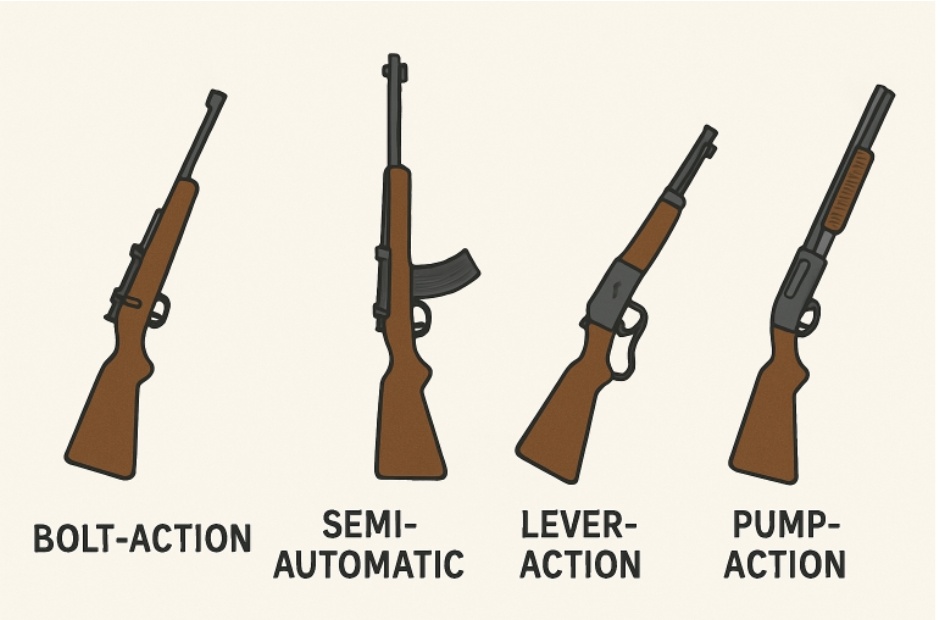
Rifles are not one-size-fits-all; each design serves a special purpose and caters to different skill levels and activities. Bolt-action rifles, prized for their unmatched accuracy and reliability, are the go-to choice for hunters targeting game over longer distances. Semi-automatic rifles offer speed and capacity, appealing to competitive shooters and those training for action-based disciplines. Lever-action rifles blend nostalgia and function, often chosen for their classic hardware and quick cycling, while pump-action rifles are favored in rugged conditions where reliability is critical. Deciding which type is best depends on the intended application. Before making a purchase, learn about the expected use cases and check any recent research or news on rifle distinctions and changing regulations, such as in discussions found in NPR’s coverage of modern firearms policy.
Caliber Selection Basics
Caliber is about more than just bullet size; it determines everything from recoil to terminal velocity and effective range. For newcomers or those planning frequent range practice, a .22 LR offers affordability and minimal kick. Intermediate to advanced shooters targeting larger game may opt for cartridges like .243 Winchester or .308 Winchester, valued for their stopping power and accuracy. Research ballistics and hunting requirements in your area before making this choice. Reliable industry database sites and community forums are excellent resources to compare practical experiences with various calibers.
How Ergonomics and Comfort Affect Performance
Comfort and fit are just as vital as technical specifications. An ill-fitting rifle, regardless of price or features, can hinder even the most skilled shooter. Pay particular attention to the stock’s length of pull, grip angle, cheek rest height, and the gun’s overall balance. Adjustable stocks or aftermarket extensions often improve fit and handling. Test multiple rifles in-store when possible, and do not hesitate to consult seasoned hunters or shooting instructors for personalized advice. Even minor tweaks can translate to improved control, less fatigue, and a more enjoyable experience over long days in the field.
Understanding Accuracy and Precision
The relationship between a rifle’s mechanical attributes and your shooting consistency is fundamental. While manufacturers focus on optimizing barrel quality, trigger crispness, and optic compatibility, external elements such as weather and ammunition type also play major roles. Practicing in varied environments will sharpen your understanding of how these variables influence groups and zeroing.
Key Safety Features in Modern Rifles
Modern rifles are equipped with a suite of safety mechanisms, from manual safeties and integrated locks to tactile chamber indicators and drop safety devices. These innovations reflect evolving standards for responsible firearm usage, especially in multi-user households or when introducing youths to shooting sports. Regardless of experience, staying current with best safety practices—including regular safety training and proper handling—remains essential. Investing time in mastering your firearm’s specific safety features supports not just personal well-being but also community trust in shooting sports.
Maintenance and Durability Tips
A well-maintained rifle is safer, more reliable, and holds its value over time. Clean the barrel, check for debris or rust, and lubricate moving parts after each outing. Modern rifles often feature corrosion-resistant metals and durable synthetic stocks, but even these advancements require basic care. Store your rifle in a secure, climate-controlled environment, and periodically inspect it for wear. For added longevity, consider investing in protective cases or dehumidifying safes to safeguard from moisture and impact damage.
Legal and Ethical Factors in Rifle Ownership
Responsible rifle ownership involves understanding and adhering to current laws about acquisition, transportation, and storage. Regulations evolve regularly across provinces and countries, so stay apprised of new requirements through official sites and ongoing coverage by national news. Ethical hunting practices, such as respecting established seasons, quotas, and non-game sanctuaries, uphold wildlife health and enhance public perception of hunters. By ensuring compliance and accountability, shooters foster a sustainable outdoor tradition for future generations.
Conclusion
Selecting the right rifle is an investment in both your own performance and the broader values of safe, ethical, and enjoyable shooting. By evaluating rifle types, calibers, ergonomics, and regulations, you equip yourself with the knowledge to make confident and responsible choices. Continuous research and practical experience are keys to a rewarding and sustainable relationship with the sport.